by Emraida C. Ali, AAMEP 2022
Member, Board of Trustees, Noorul Eilm Academy Foundation Inc.
In many countries around the world, Muslim communities aspire to educate their younger generations in the basics of the Islamic faith and Arabic literacy. The Muslim community in the Philippines is no different, and the madrasah (Islamic school) has had a long history in Muslim Mindanao. In the past, the madrasahs operated outside the national education system, resulting in difficulties for madrasah graduates as well as the financial sustainability of the madrasahs themselves.
The Madrasah Education Program (MEP) is a comprehensive and inclusive program of the Department of Education (DepEd) in the Philippines that aims to provide appropriate and relevant educational opportunities for learners both in public and private schools within the context of Muslim culture, customs and traditions. The existence of the MEP is a wonderful affirmation of the importance of both Islamic and secular education opportunities for Muslim communities in the Philippines. The Standard Private Madrasah is one of the types of MEP in the Philippines that was introduced in 2004 through the Department of Education Order No. 51 series of 2004, which supports the standardisation of the madrasah curriculum. The quality of madrasah education, from kindergarten through to year 12, was also further strengthened by the Department of Education Order No. 41 series of 2017 which provides policy guidelines on Madrasah education in the K-to-12 Basic Education Program. Both of these orders have helped educators across the Philippines to mainstream Madrasah Education in the Philippines. In particular, this standardization helps provide opportunities for fostering peace and development, particularly in the conflict affected areas of Mindanao.
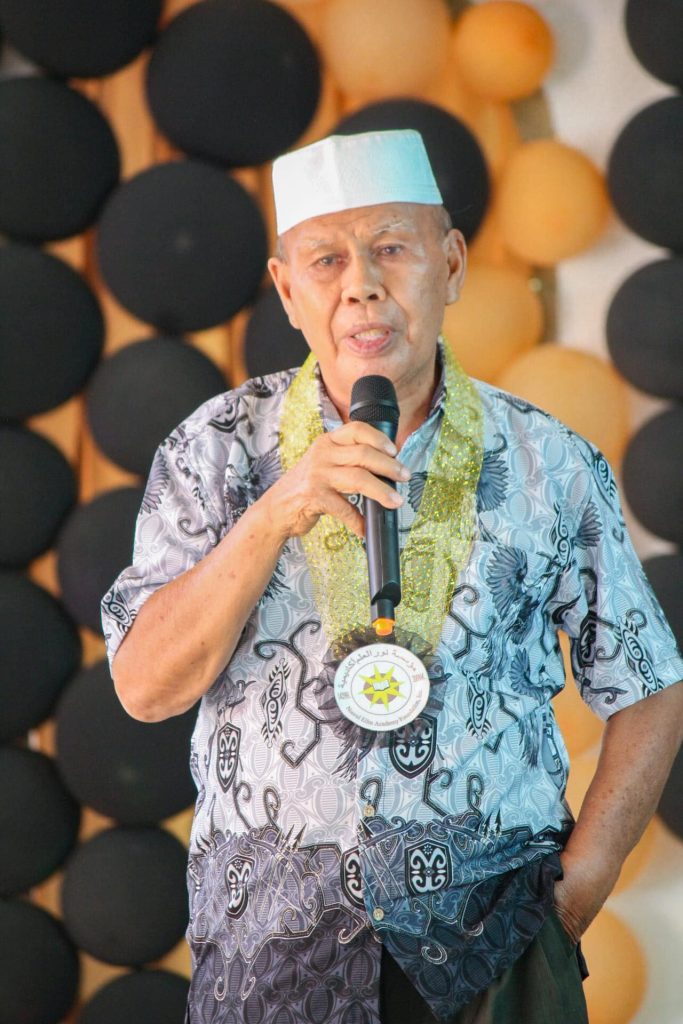
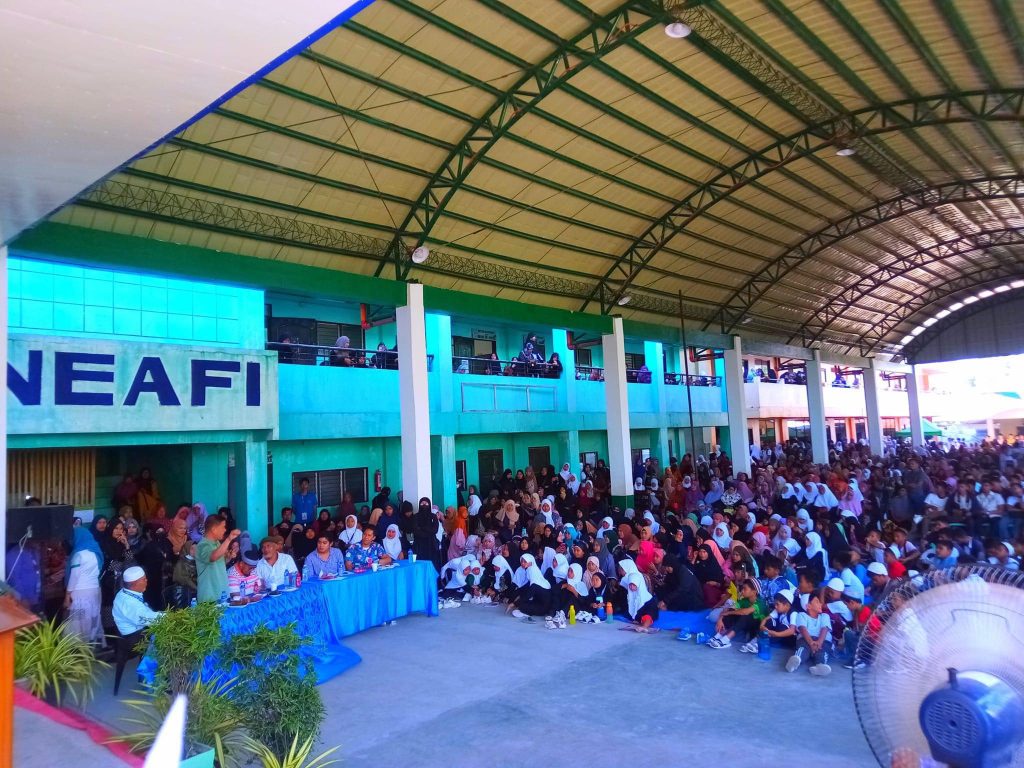
With the noble intention of bringing peace and development through balanced education, Dr. Dingan C. Ali, my father and inspiration in the field of education, established the Noorul Eilm Academy Foundation, Inc. (NEAFI) in 2008. Through a lens of balanced education, NEAFI has been able to provide opportunities for Muslim learners to learn Islamic and Arabic knowledge while also receiving secular education. The school is strategically located in the Municipality of Pikit that enables them to cater to Muslim learners from underprivileged communities in several municipalities, including Pikit, Pagalungan, Datu Montawal, Kabacan, and Aleosan. The forward-thinking vision, transformative leadership and robust experiences of Dr. Ali in the areas of school supervision and management, combined with his passion for the right of all people to access education, motivated him to found his own private school in a challenging area, despite the odds. To date, the NEAFI offers complete basic education— from kindergarten and elementary, through to junior high school and senior high school.
The NEAFI, like any other private madrasah, faced several challenges during its initial years of operation – such as limited financial resources, inadequate infrastructure, decreasing number of elementary students enrolled and high turnover rate of teachers and staff. Some of these obstacles were overcome because of the concerted efforts of the Board of Trustees, the management and other stakeholders involved in the school. However, during the COVID-19 pandemic, the education system was one of the most severely affected sectors because of the challenges of designing appropriate approaches for making sure that learning would continue. When everyone in the globe adopted online learning, the teachers and learners of NEAFI faced yet another challenge – they couldn’t implement the same measures due to limited access that families had to the internet or other facilities. Eventually, the management developed innovative approaches and policies to support their student community and ensure continuity of learning.
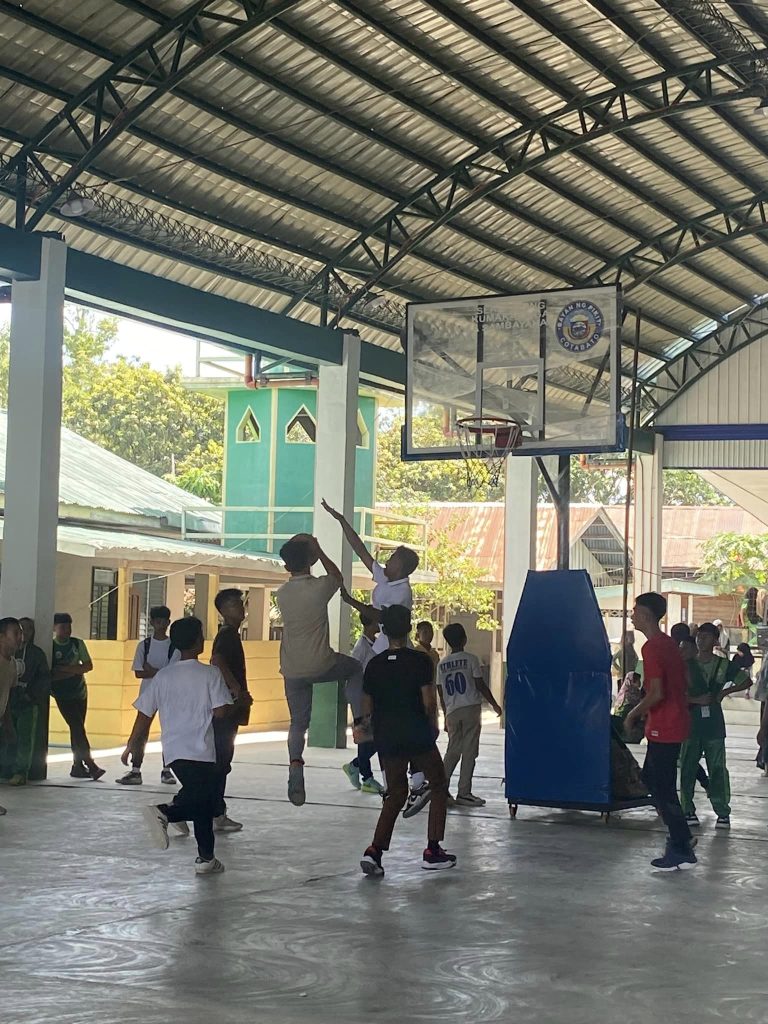
Perhaps because of these innovative approaches, even during the trying time of the pandemic, there was a tremendous increase in students starting to enrol in junior and senior high school. This trend has continued beyond the pandemic years and can still be observed this year when the total number of learners was 1,413 (222 for elementary, 762 for junior high school, and 429 for senior high school).
The NEAFI leadership community was also proactive about maximizing the learning opportunities for their students by developing collaborations with local government units, the Bangsamoro Autonomous Region in Muslim Mindanao (BARMM) Government, non-governmental organisations, parent-teacher associations, and other stakeholders. The Board of Trustees, management, staff, teachers and other stakeholders are committed and motivated to educate their learners so that they can improve their quality of life and become agents of peace and development in the Bangsamoro homeland.