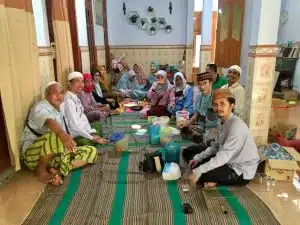
Welcome to our series of blog posts commemorating the 20th anniversary of the AIMEP! We plan to feature a series of stories from alumni through the life of the program.
Our first post is about Shobikhan Ahmad, from Yogyakarta, Indonesia. Shobi is principal of the Almubtadi’ien Prestasi Islamic Junior High School and participated in the AIMEP in 2014. Read his story below:
Shobikhan Ahmad

I wasn’t very naughty at school. I believed in karma – that if I was a naughty student and then became a teacher, my students would be naughty too! Also, my parents taught me to treat our teachers as someone special. I went to a pesantren boarding school, which offers an informal Islamic education, and in those schools, we became very close to our teachers.
Because I loved English, I chose to study English Education at university. At first, I had no intention of becoming a teacher, but then in the sixth semester I watched a movie about Ron Clark, a famous American educator who worked with difficult students and then started his own school. And that really inspired me.
After I graduated, I decided to become a volunteer teacher at a pesantren which had just been started by one of my teachers in a very rural area in East Java. At that time, I did whatever he needed and whatever it took. It started as a very simple school, but over time it became a very big school.
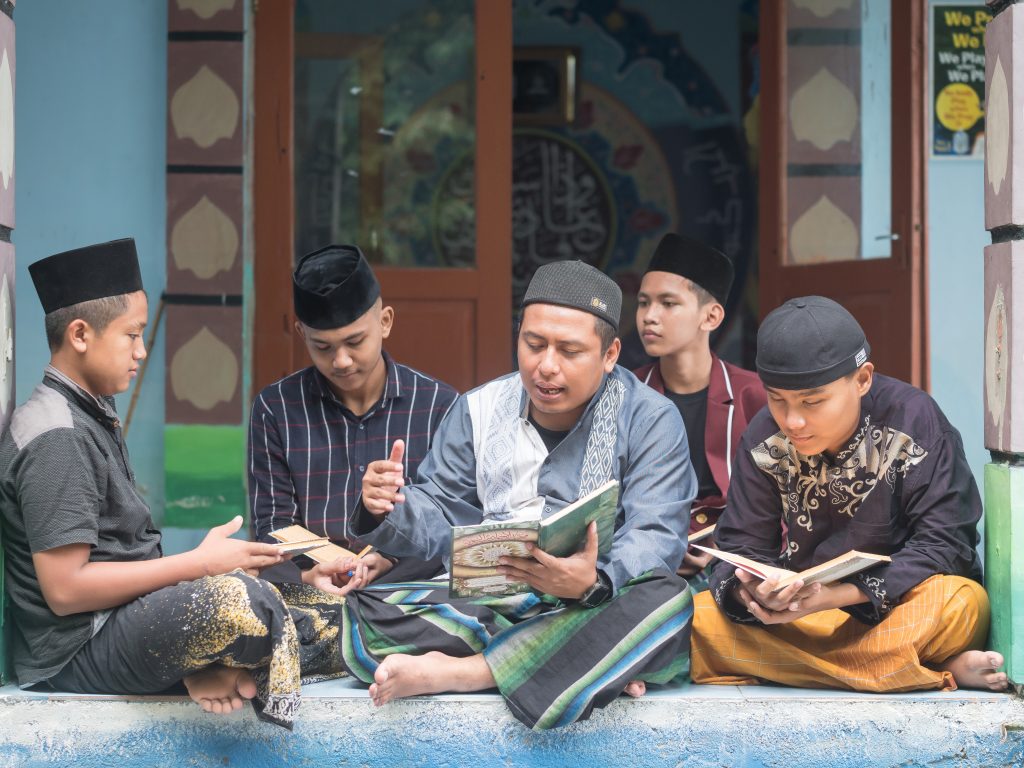
I did that wholeheartedly, without getting paid, for around two years. Sometimes it was difficult. My friends had very good jobs with good salaries, and they would tell me I was crazy. But in my heart, I felt happy. For me, it was an honour to help my teacher. And I gained a lot of important experience which, although I didn’t think about it at the time, was very important later when I wrote scholarship applications, including for the scholarship that allowed me to do my Master’s degree.
Next, I went to work at a school in Yogyakarta where my father was one of the founding fathers. The foundation really needed my help, as it was in danger of being shut down.
At that time, the principal was leaving, so the school wasn’t being managed properly. The program wasn’t very good, so no one really wanted to go there. As the teachers had to find new students themselves, there were only 4 students left.
This is when Ron Clark’s story again played an important role in my life, as he had chosen to take care of a bad school with bad students, and turn them into good students to make the school a good school. I thought, if my life is a story, the story will be better if I take care of this bad school than if I take a normal teaching job!
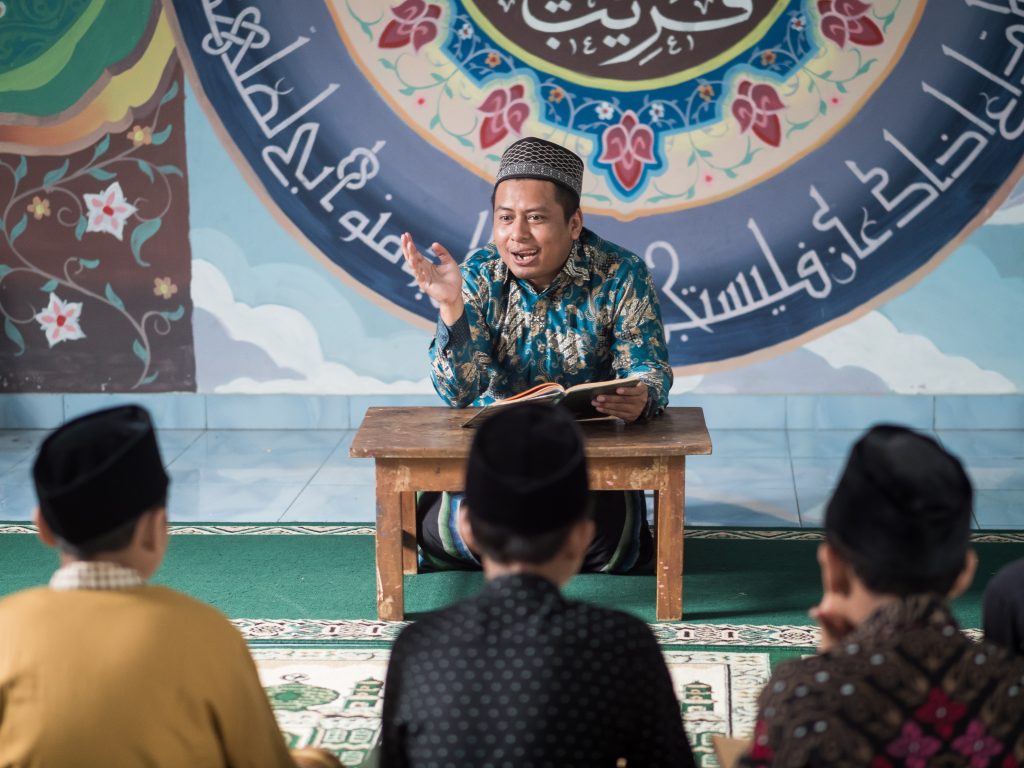
So I went in as school principal and reorganised the school. Although the facilities weren’t very good, I gave the students lots of extra-curricular activities, and in that first year, we won many championships and tournaments. By the next year, we had 20 students, which was enough for the government to declare the school a formal school. Currently, the school has around 60 students.
I had always dreamt of going abroad to study, and in 2013, I went to China for a two-week youth exchange program. Then I applied for the Australian AIMEP program. I thought that learning new things, experiencing a new culture, and making new friends from other countries would be a good thing to do, and I was right.
The AIMEP program took me to several places: Melbourne, Sydney, and Canberra. I was very excited to see that there were lots of school visits on the schedule. The other participants weren’t so excited about that, but I was always asking questions about the educational system and the curriculum! And I got some good ideas. For example, we decided to have fewer subjects in our senior high school than is typical in Indonesia. We also decided to make our subjects more practical and less theoretical.
As well as what I learned about education, the trip really opened my mind. For example, in Indonesia, we worry if our teenagers don’t go to the mosque. So I asked people from different religious communities how they felt about that, and the answer of the atheist community in particular really blew my mind. They said that faith is a connection that should come freely between us and God, and that if faith is forced, it’s not faith, it’s doctrine, which was an idea I had never thought about before.
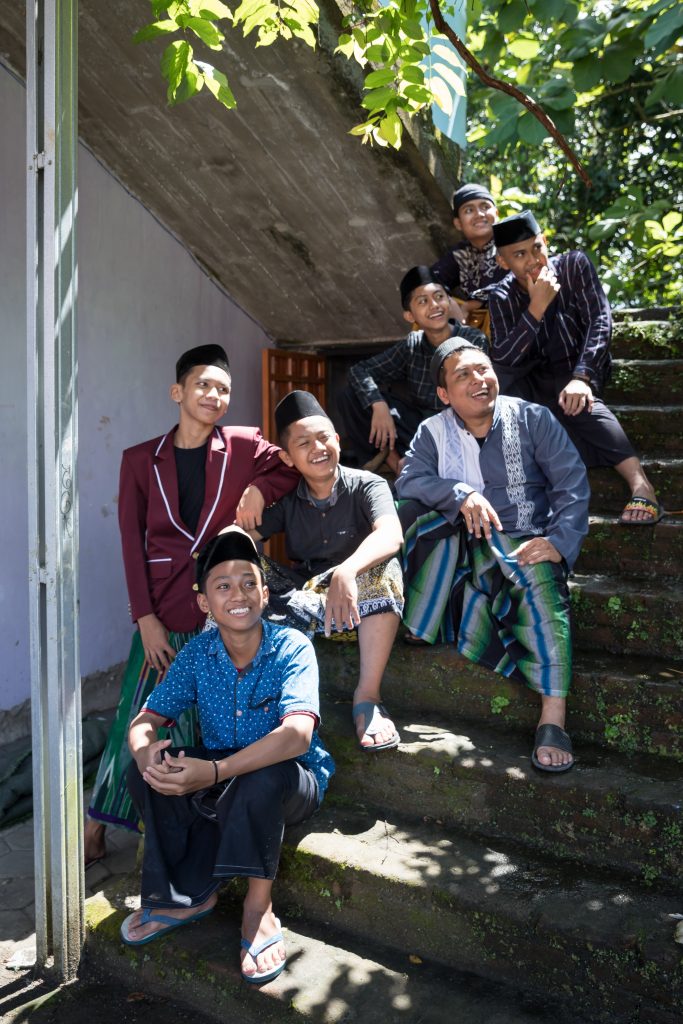
When I returned, I spent three years in Japan, where my wife was studying. Upon my return, I was appointed head of the foundation, which is a big responsibility, as I am now responsible for many schools.
I just graduated from my Masters in English Education, and I’m also planning to apply for a scholarship to do a PhD! One day, I’d like to be a lecturer, to share all the knowledge I have gained with new teachers. I’d also like to write a book, and who knows, maybe they’ll make it into a movie one day. I could be the Indonesian Ron Clark!
Last year, I also decided to start my own English / Indonesian bilingual school. We now have around 23 students, and I am very happy that many of them are willing to help me as volunteers.
I planted my seeds when I was younger, and I feel that now I have harvested.
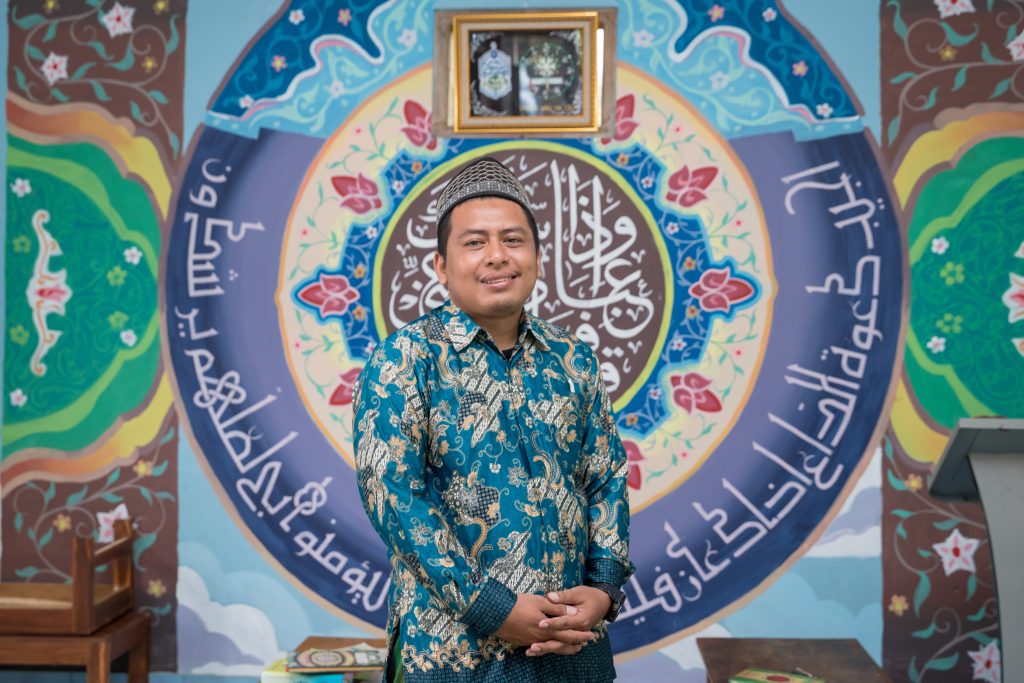
Shobikhan Ahmad
Yogyakarta, Indonesia
AIMEP 2014
Photographer: Elis Zuliati Anis
Story: Nicola Gray