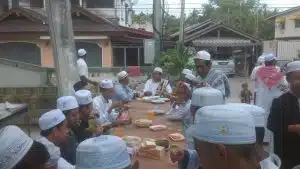
by Qaziah Fatihah Berhanuddin, AAMEP 2022
In Islam, it is compulsory to celebrate the two Eids: puasa Eid (Aidilfitri) and haji Eid. These are the days when Muslims celebrate the victory of our fitrah (true self) as Allah’s slaves in fulfilling His commands. Even in the time of our Prophet (peace be upon him), being joyful in celebrating Eid was something understood. People wore beautiful attire, women sang, and everyone praised their Lord for the favors He brought on the day of al-Fitr. Allah says in the Qur’an in Surah Al-Baqarah, verse 185: “…and proclaim the greatness of Allah for guiding you, and perhaps you will be grateful.”
Aidilfitri in Malaysia is celebrated greatly by all religions and races. This represents the true meaning of brotherhood and sisterhood, which is always open to supporting and accepting the faith of their Muslim peers and families. I myself hardly celebrate Aidilfitri with my close friends. As I reside in Kelantan and they are in other states, celebrating Aidilfitri means bonding time with my beloved family, uncles, aunties, cousins, and amazing relatives.
During this year’s Ramadan, I had the opportunity to buka puasa (break the fast) with my favorite people in Kuala Lumpur, including an International Women’s Day Buka Puasa at the Australia High Commission in Kuala Lumpur, where I met other AAMEP alumni, “Iftar with Impact” by Greenpeace Malaysia, and sahur (the pre-fasting meal) with my dear Sharifah, the Founder of the Rohingya Women’s Development Network (RWDN) at her place. These sweet memories were enough for me as compensation for not being able to celebrate Hari Raya (Malay for Eid) with my favorite people.

Kelantanese are known for their kinship and kindness. Their Kelantanese blood is so special to anyone from Kelantan that some would call it ‘asabiyyah.’ Well, it is not. The only thing that might initiate the thought is our Kelantanese dialect, so much so that no one could understand it when two Kelantanese meet and talk to each other in a ‘foreign language’!
For this year’s Eid holiday, it is reported that about two million people will balik kampung to Kelantan. Yes, Kelantan only!

Every time we celebrate Aidilfitri, Malaysians will always sing the “Balik Kampung” song.
“Ho, ho, ho..balik kampung! Ho, ho, ho..balik kampung! Ho, ho, ho..balik kampung! Hati riang!”*

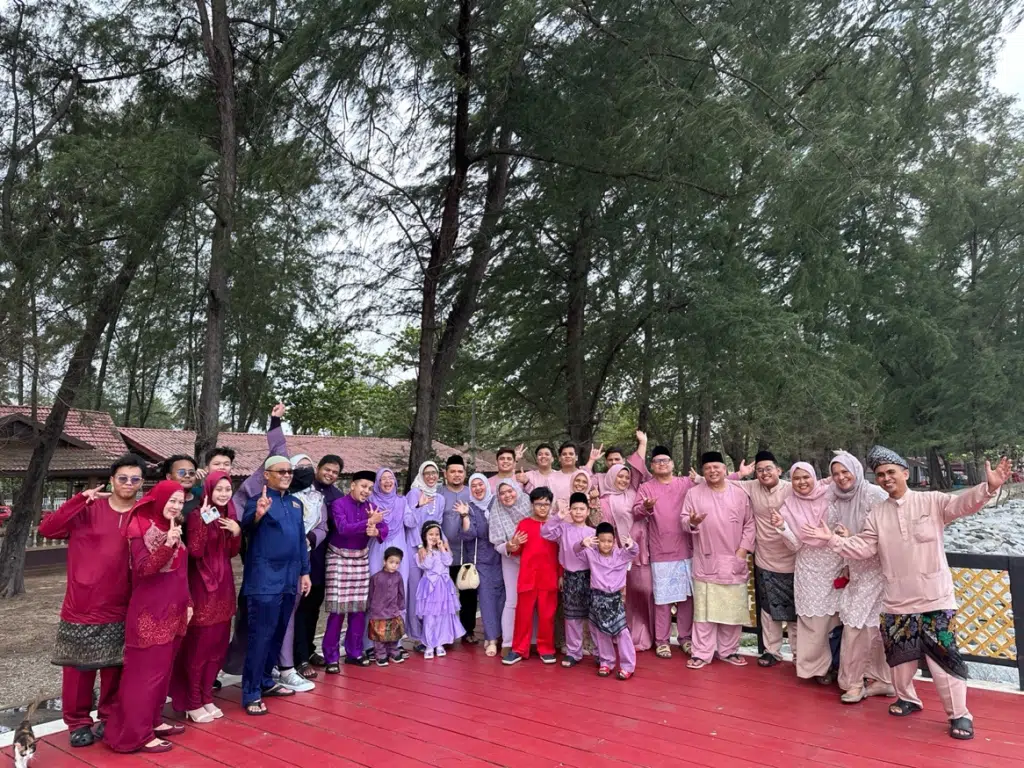
It has become a trend for Malaysians to wear thematic colourful attire on Aidilfitri. The social media algorithm has been prepared to boost those beautiful baju raya a month before Ramadan. From father, mother, children, grandchildren and even to the other family members from the parent’s sides, there will be the same but not similar thematic color of their Eid attire. They will prepare it even months before Eid!
Besides, our Hari Raya has no meaning without Raya cookies or what we call biskut raya! In some places, it is called kuih raya.

When I was small, I used to help my late grandma and my aunty to prepare a few types of biskut raya, including sarang semut, biskut dahlia, biskut kelapa, and my favourite one was biskut cornflake! Nowadays, this tradition is less seen in our society. Most of us would prefer buying it from the stalls or ordering from some famous bakers. We call this new tradition as kuih tunjuk (pointing cookies), because you point your finger to any raya cookies that you want to buy!
On top of that, we must prepare the raya meals. Among common traditional foods cooked and served on the first Hari Raya are lontong, ketupat and rendang, lemang, satay, and nasi impit, and in my place, some people will serve nasi dagang, and not to mention our tapai and signature ketupat palas with serunding inside!

After we pray the Eid prayer, we will immediately return home, but some people will visit the graveyard. We always want to make Hari Raya the most memorable time with our loved ones. We always want to be thankful to Allah for every blessing He has sent to us, especially for making us successful believers.

Minal ’aideen wa al-faaizeen.
*From the song Balik Kampung by Sudirman.