Natasha Halim, AAMEP 2023
Bandar Seri Begawan, Brunei Darussalam
My first memories of Ramadan are of waiting for the national announcement in front of my living room television with my cousins and siblings. Brunei uses the sighting of the moon to determine the start of Ramadan, and the results of the moon sighting are normally announced via all forms of media. Growing up, media was the television and the radio, and so many families, like mine, would gather in front of the television waiting for this announcement.
As a child, the announcement that the moon was not sighted was generally met with great relief for it meant another day of being able to eat and drink in the daytime.As an adult, practically it often means some relief as it gives a little more time to complete all the tasks that should be done before the fasting month. Spiritually though, it often now carries some sadness as it means another day’s wait to meet the blessed month.
We are blessed in Brunei that Ramadan is accommodated by adjusted work and school hours to help ease the tests. Work and school begin a little later in the day and hours are shortened. Whilst some use these extra hours off to rest, many choose to invest this time in charity. Ramadan in Brunei sees a blossoming of charitable initiatives, most of which involve the distribution of food to the needy to break their fast, or in local parlance Sungkai.
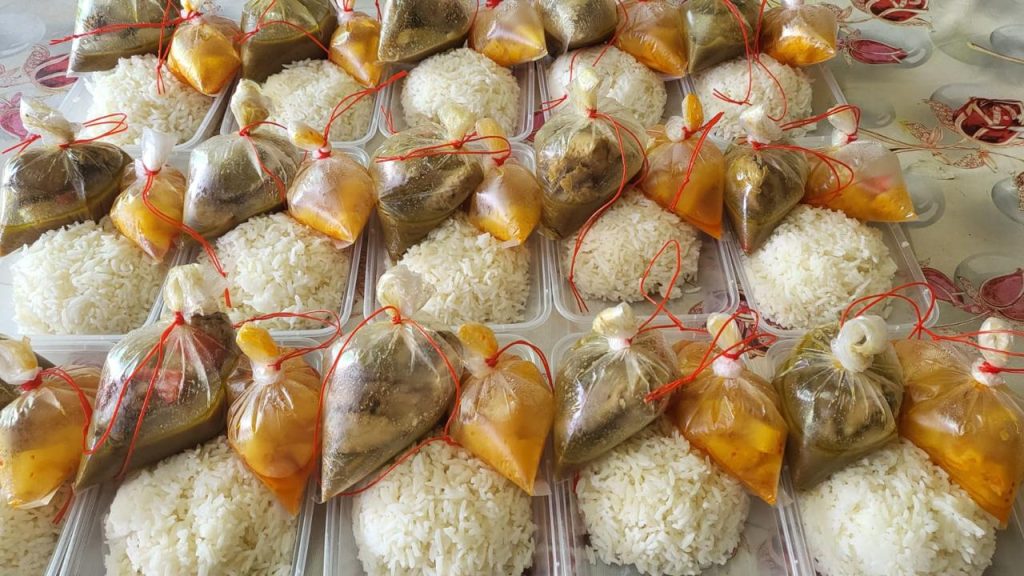
Many years ago in Brunei, the breaking of the fast was signaled by the beating of a drum that was aired over the radio and television. At the first beat, children would cry “BADUK!”, eager to be the herald of the news that you could now eat and drink. It has been a long time since we used the Baduk to signal the breaking of the fast, but for anyone who is at least Xennial, the breaking of the fast will forever be Baduk.
It seems a little odd, doesn’t it, that Ramadan, a time associated with abstinence from food, would also be associated with food? Food, however, is the Bruneian language of love. You are loved by a Bruneian when they feed you incessantly and you leave their home close to passing out from the sheer volume and variety.
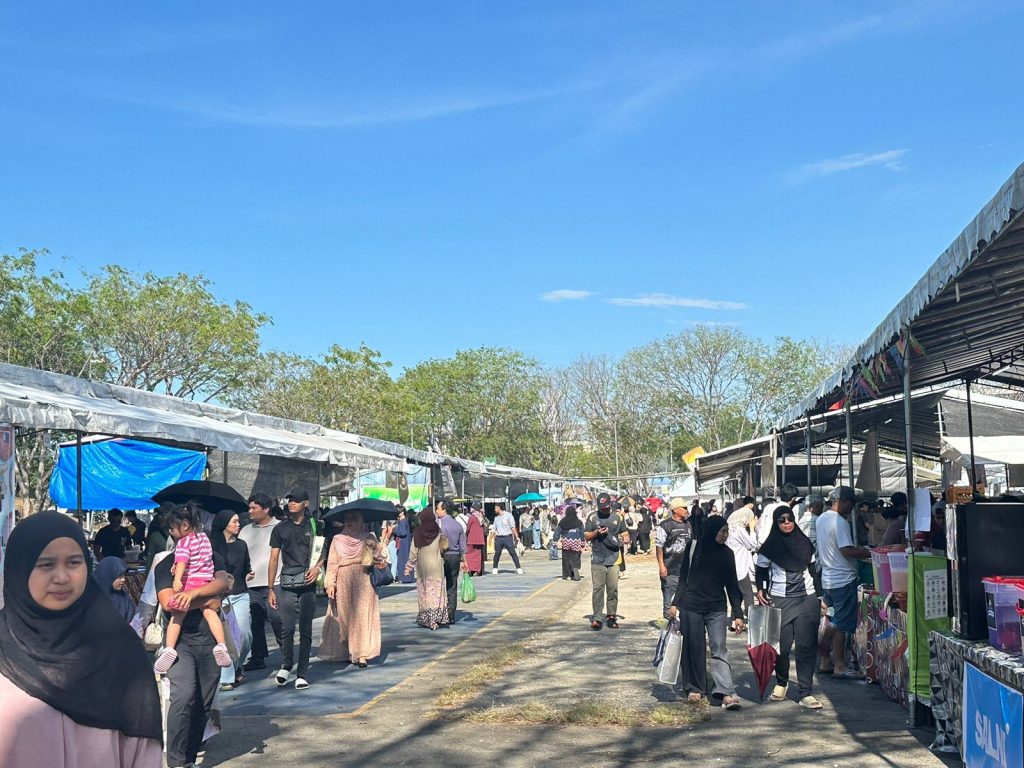
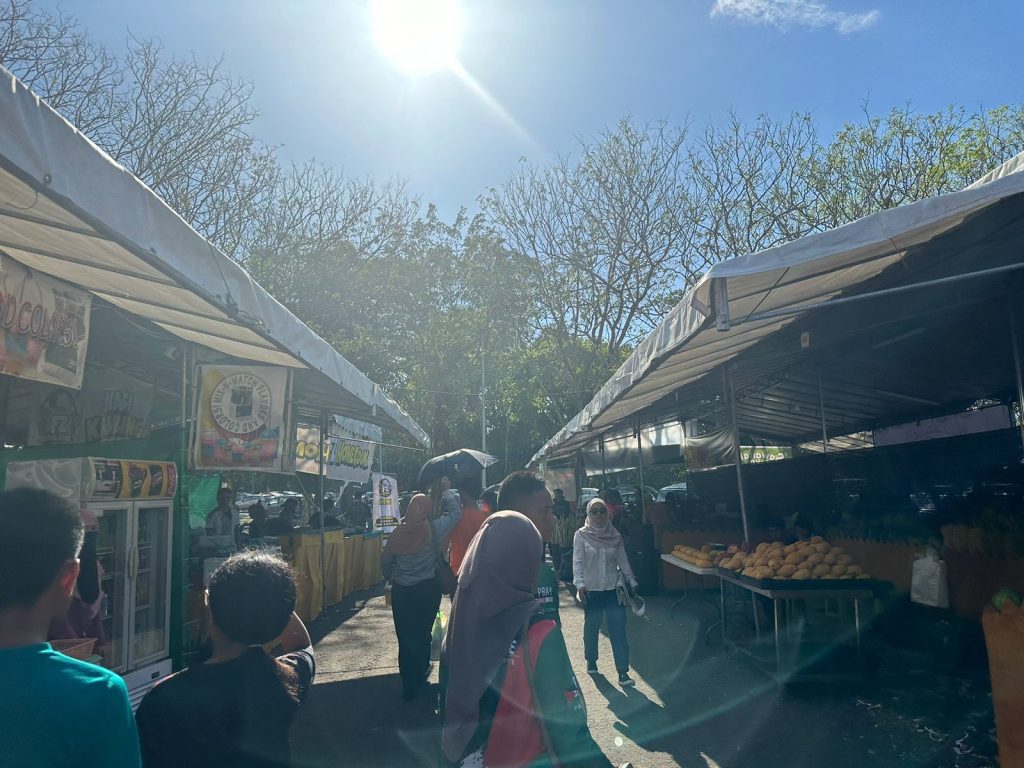
Ramadan in Brunei sees the opening of a number of food bazaars in various parts of the country. It is undisputed, however, that chief among these bazaars is the one located at the National Stadium. Here, hundreds of food stalls, selling everything from satay and grilled fish to multicoloured drinks that somehow look like the best thing on earth when you are mid-fast, start opening from about 2pm every day of Ramadan. At about 4pm these bazaars are teeming with people, satisfying some age-old hunter-gatherer instinct, looking for that perfect meal to break their fast with. It would not be Brunei if you didn’t bump into at least three people you know in these food gathering expeditions to the Bazaar.
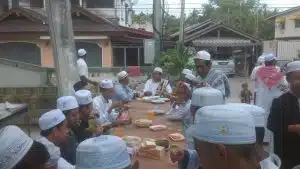
If food is the Bruneian language of love, it should come as no surprise that Sungkai with those near and dear is a very big deal. We used to mostly live in multi-generational homes, though the changing of the times means that fewer and fewer people do this. In Ramadan however, we gather the clan and break bread together frequently. With food and family covered, we end the day, as we start it, in Faith.
Masjids throughout the country fill with people wanting to do tarawih prayers every night. Mothers bring their children for these prayers, secure in the knowledge that children are welcome, and steadfast in their belief that Faith starts from these beginnings.
As the moon waxes and wanes throughout the holy month, Bruneians live their days in food, faith, and family, eager for the merriment of Syawal but also melancholic that Ramadan will have to leave us for that to happen. Like the rest of the Ummah, we pray that we live to see another Ramadan.