by Rabiha Nasser, AIMEP 2019
Head of Learning Support Team, Unity Grammar
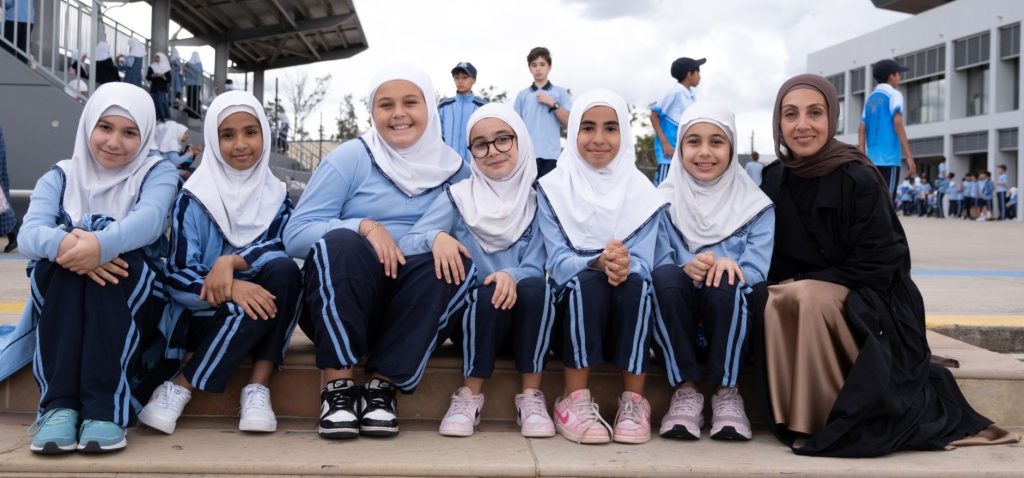
Australia’s first Islamic school was founded over forty years ago, in 1983. Fast forward to the present day, and Australia is now home to approximately 46 Islamic schools, catering to an estimated total of 38,300 students. Although there was no recognition or representation for Islamic schools collectively at the state or national level for some time, after persistent and diligent efforts, the ISAA (Islamic Schools Association of Australia) was founded. ISAA is committed to provide a voice and recognition for all Islamic schools and it works to ensure that the views of Islamic schools are more accurately and effectively represented to the education community. I extend an invitation for you to join me on an exploration of the landscape of Islamic education in Australia.
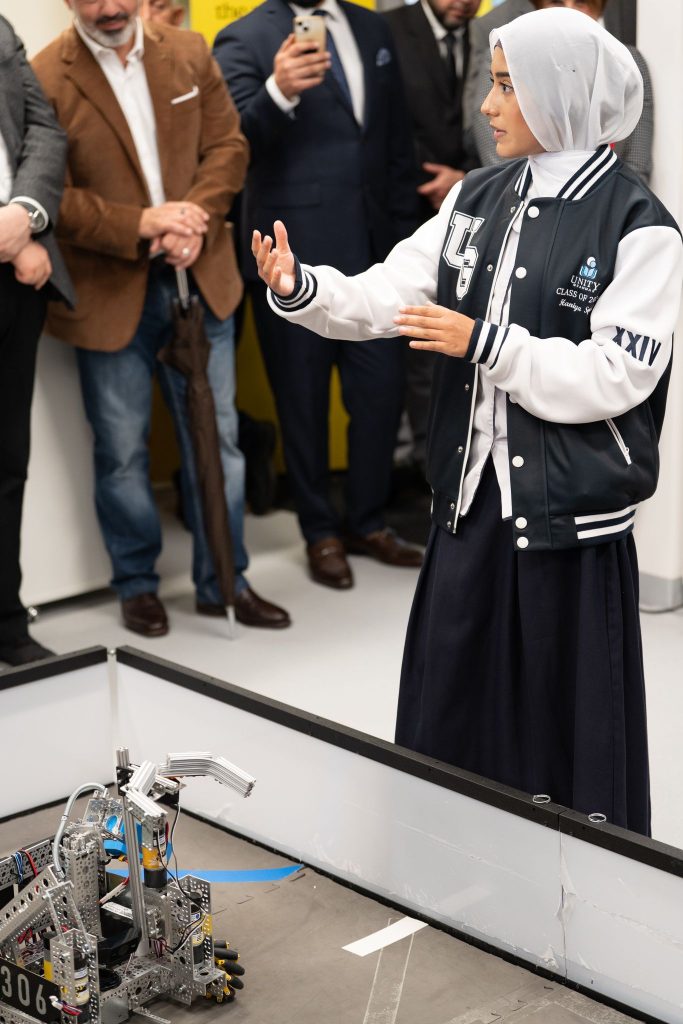
Over the past 15 years, I have had the privilege of being an active member of the Islamic School Community, with 13 of those years spent at Arkana College, and currently, I am blessed to serve at Unity Grammar in Sydney. My tenure as an educator in Islamic schools has been a deeply rewarding journey. Beginning as a fresh graduate from university, I have progressed in my career, and I’m blessed to be leading the Learning Support Team at Unity Grammar today.
Upon entering Unity Grammar, one is in awe of the school’s rich tapestry of Islamic aesthetics, adorned with hadiths, images, and profound quotes. Since its establishment in 2008, Unity Grammar has been guided by a vision deeply rooted in Islamic faith, which serves as the cornerstone of its pursuit of academic excellence and unwavering dedication to providing high-quality Islamic education. This is encapsulated in the school’s vision, “Our learners are pioneers of the future, inspired by our Islamic faith, driven to achieve for the betterment of humanity.”
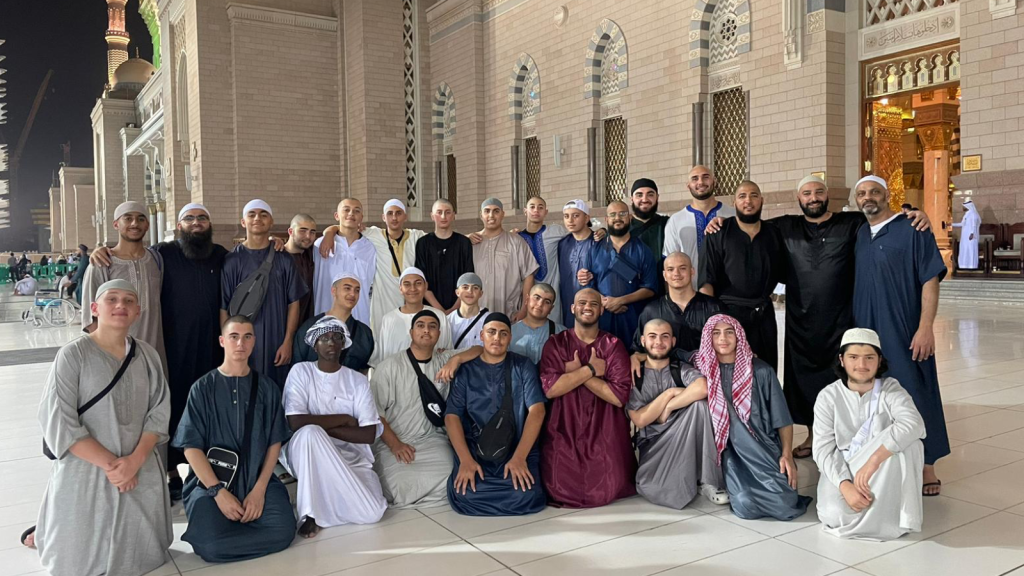
The school provides an immersive Islamic environment where values and practices derived from the Quran and Sunnah of Prophet Muhammad (peace be upon him) are intricately woven into a meticulously crafted curriculum. Beyond conventional classroom instruction, Unity Grammar endeavours to instil Islamic teachings into students’ everyday lives, thereby fostering a profound understanding and application of Islamic principles and spiritual development within the school community and beyond. At both the Junior and Secondary campuses, students actively participate in the practice of Islamic teachings. This is exemplified in the annual Umrah pilgrimage, daily midday prayers, involvement in special Ramadan programs, and attendance at Friday Jum’a sermons—delivered by Sheikhs, students, and esteemed guests—all underscoring our commitment to holistic Islamic education and spiritual development.
The Islamic Studies objectives at Unity Grammar guarantee a comprehensive Islamic education that transcends the confines of traditional schooling. Their academic program equips students with the necessary tools to navigate the complexities of modern life, enabling them to make informed decisions grounded in Islamic principles instilled during their educational journey. This is manifested in various sporting activities and events, fundraising and charity days, as well as wellbeing initiatives.
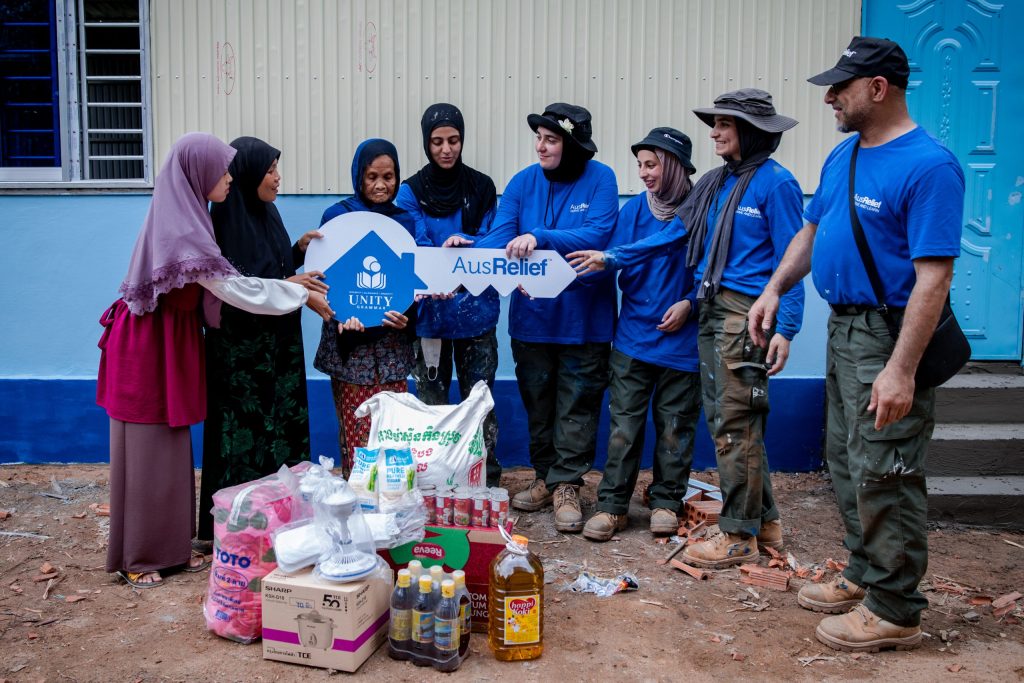
Instead of confining learning within the classroom walls, Islamic schooling in Australia extends the application of classroom theories, emphasising practical implementation. Collaborations with charitable and community organisations afford students firsthand experiences in applying Islamic principles covered in class, including Zakat, aiding orphans, supporting individuals with special needs, and responding to crises. Furthermore, Islamic educational institutions actively participate in community initiatives, equipping students with the skills and mindset to become accountable citizens and leaders. They aim to foster contributions to both local communities and broader society, emphasizing values such as social justice, diversity, inclusion, and civic duty. These efforts are guided by the principles inherent in the Islamic faith, promoting engagement experiences that uphold its core tenets.
In conclusion, Islamic schooling in Australia plays a vital role in shaping not only the academic futures of its students, but also their moral compasses and societal contributions. Through educational strategies, high quality teaching and learning, and community engagement, these educational institutions prepare individuals to become leaders poised to make positive impacts locally and globally. Islamic schools in Australia reflect core principles and values of the Islamic faith, fostering an environment conducive to holistic growth and meaningful engagement. Australian Islamic schools have made substantial progress over time, and I am immensely proud to be a representative of these educational institutions.